
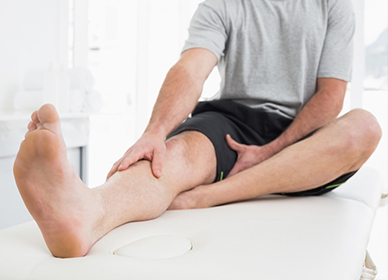
How to deal with joint pain

The list of conditions accompanied by joint pain can be continued indefinitely. According to statistics, 301% of people have experienced joint pain at least once in their lives. Moreover, the older a person becomes, the more often they are bothered by joint pain. The most common is knee pain caused by gonarthrosis or traumatic injury. But pain in the hip joints also causes a lot of trouble to a person (coxarthrosis), and damage small joints of the hands and feet.
Pain in the joints is of various nature. From mild, short-term pain that occurs, for example, after excessive physical exertion, to unbearable, painful pain that lasts for weeks or even months.
Modern recommendations for the treatment of joint diseases accompanied by pain syndrome emphasize the need to combine pharmacological and non-pharmacological treatment methods. In other words, both medications and non-drug methods should be used in the treatment of joint pain.
The latter include lifestyle changes, such as:
- weight loss;
- wearing devices to protect or relieve the joint;
- physical therapy classes;
- application of various types of physiotherapy.
However, using only non-drug methods is often insufficient and ineffective, especially in the case of advanced changes and chronic joint pain. Therefore, there is a need to use certain groups of medications.
Chondroprotector injections. Chondroprotectors based on bioactive concentrate have revolutionized the treatment of joint pain since their creation. Preparations based on marine organisms have the greatest biological activity and similarity to the human cartilage matrix. Injections of chondroprotective drugs not only effectively eliminate pain, but also restore damaged cartilage. In modern traumatology, the technique of intra-articular injections has been perfected, so this method of treating joint pain is increasingly being used. Most often, timely courses of treatment with chondroprotectors eliminate the need to think about joint replacement - the main thing is to start treatment as early as possible and carry it out at least 2 times a year.
Locally acting medications. These are mainly ointments and gels. These drugs provide a short-term effect of reducing pain, and when the concentration of the drug in the pathological focus decreases, the pain appears again.
Nonsteroidal anti-inflammatory drugs (NSAIDs). This group is prescribed by doctors to eliminate acute pain. At the same time, long-term use of NSAIDs is fraught with dangerous side effects, including increased blood pressure, impaired hematopoiesis, damage to the gastric mucosa and the risk of gastrointestinal bleeding, and much more, which limits the use of NSAIDs.